Since a plane requires the most thrust at takeoff, you could use ground-based
Actually dragging (or wheeling in) a wire or having a wire car supplying the plane with electricity during takeoff would work too.
I think the only realistic use case is going to be short trips. For long range offsetting the carbon for jet fuel just makes more sense.
But really small personal vehicles could be interesting. There is the Pivotal BlackFly which can VTOL and uses less electricity than a big electric car - and it needs to roads. So for commuting this could actually work to save on infrastructure.
The biggest problem with flying cars is, well, have you seen how people drive?
It’s stressful enough just crossing the street. But at least you know when you’re doing it, look both ways, look around for idiot drivers. If there were flying cars you’d always be in danger everywhere.
Which many don’t regularly do and now added vertical dimension, more directions to look.
Can you imagine the chaos of hundreds of thousands of flying cars all trying to takeoff or land at the same time during morning and afternoon commutes. It would be glorious to witness, minus the human carnage. Even with the help of air traffic controllers there are still collisions with the current volume of air traffic. In a word, unworkable.
Two obvious solutions to traffic congestion in the US are work from home and replacing the public transport networks that automobile and oil interests dismantled.
Yeah and airplane pilots have to do a whole lot of training before they’re trusted with flying.
And yeah, 100% agree on better public transit and more WFH. We’ve developed technology to do this but somehow people insist that we should all sit in moving metal cages surrounded by six lanes of other people in their metal cages every day so we can have a Teams meeting with the person sitting next to us in the office.
Actually dragging (or wheeling in) a wire or having a wire car supplying the plane with electricity during takeoff would work too.
After doing more of the math, I realized that the energetic cost of takeoff is quite a small fraction of the overall cost. So the only real benefit of the catapult would be to reduce the size and weight of the propulsive machinery on the plane. So externally providing just the electricity wouldn’t be much of a benefit.
This is a pretty bananas idea, but I wondered if in the future we’ll be able to have something like a large robot arm “throw” a small plane from the top of a skyscraper as well as catch it for landing. Something like a modified trebuchet, slowly storing energy in a suspended weight to power throwing the plane, or to store the energy from catching the plane. We’d probably need further advances in robotics control, and the arm might need to be too heavy to be fast enough. And overall this makes even less sense than a catapult / puller that is already in use for gliders.


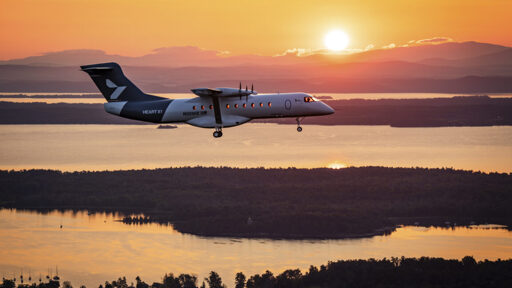
Actually dragging (or wheeling in) a wire or having a wire car supplying the plane with electricity during takeoff would work too.
I think the only realistic use case is going to be short trips. For long range offsetting the carbon for jet fuel just makes more sense.
But really small personal vehicles could be interesting. There is the Pivotal BlackFly which can VTOL and uses less electricity than a big electric car - and it needs to roads. So for commuting this could actually work to save on infrastructure.
The biggest problem with flying cars is, well, have you seen how people drive?
It’s stressful enough just crossing the street. But at least you know when you’re doing it, look both ways, look around for idiot drivers. If there were flying cars you’d always be in danger everywhere.
Which many don’t regularly do and now added vertical dimension, more directions to look.
Can you imagine the chaos of hundreds of thousands of flying cars all trying to takeoff or land at the same time during morning and afternoon commutes. It would be glorious to witness, minus the human carnage. Even with the help of air traffic controllers there are still collisions with the current volume of air traffic. In a word, unworkable.
Two obvious solutions to traffic congestion in the US are work from home and replacing the public transport networks that automobile and oil interests dismantled.
Yeah and airplane pilots have to do a whole lot of training before they’re trusted with flying.
And yeah, 100% agree on better public transit and more WFH. We’ve developed technology to do this but somehow people insist that we should all sit in moving metal cages surrounded by six lanes of other people in their metal cages every day so we can have a Teams meeting with the person sitting next to us in the office.
After doing more of the math, I realized that the energetic cost of takeoff is quite a small fraction of the overall cost. So the only real benefit of the catapult would be to reduce the size and weight of the propulsive machinery on the plane. So externally providing just the electricity wouldn’t be much of a benefit.
This is a pretty bananas idea, but I wondered if in the future we’ll be able to have something like a large robot arm “throw” a small plane from the top of a skyscraper as well as catch it for landing. Something like a modified trebuchet, slowly storing energy in a suspended weight to power throwing the plane, or to store the energy from catching the plane. We’d probably need further advances in robotics control, and the arm might need to be too heavy to be fast enough. And overall this makes even less sense than a catapult / puller that is already in use for gliders.